Which concrete specialty page should I start with?
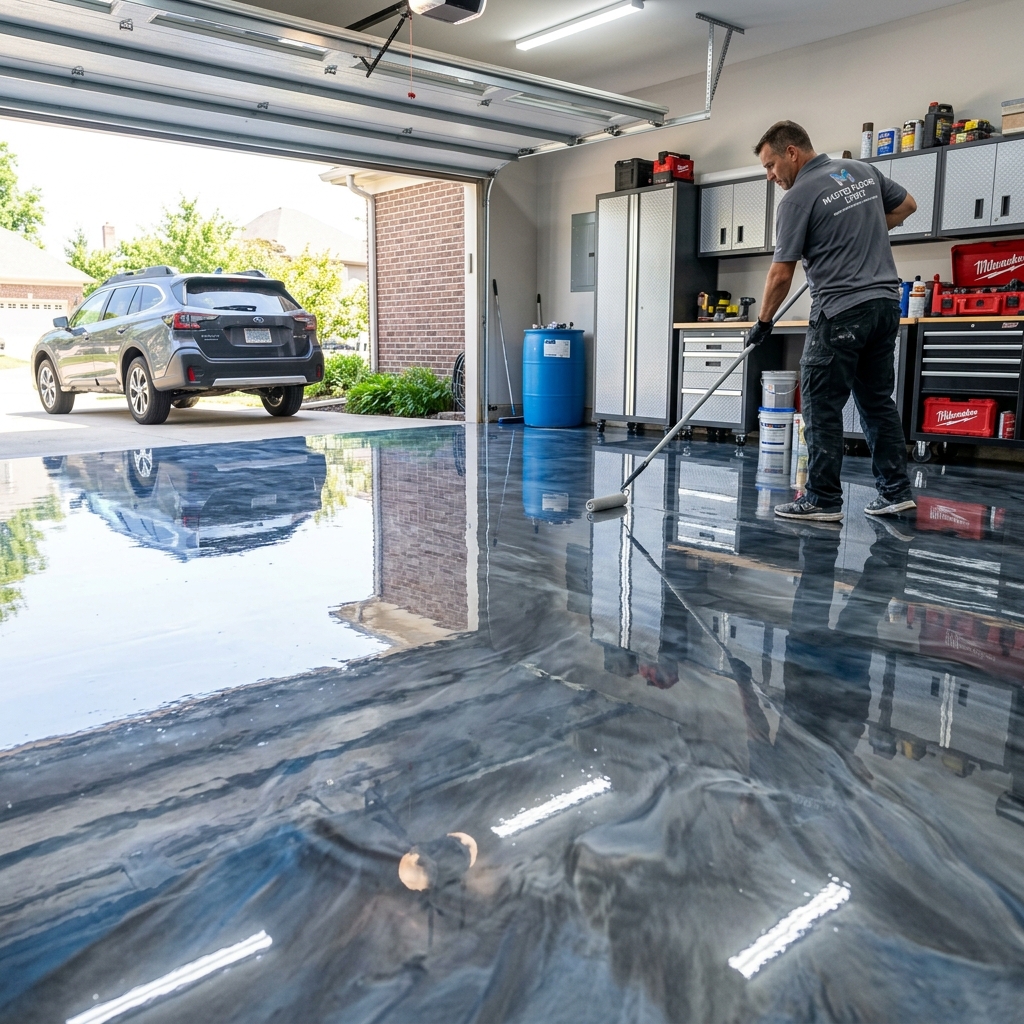
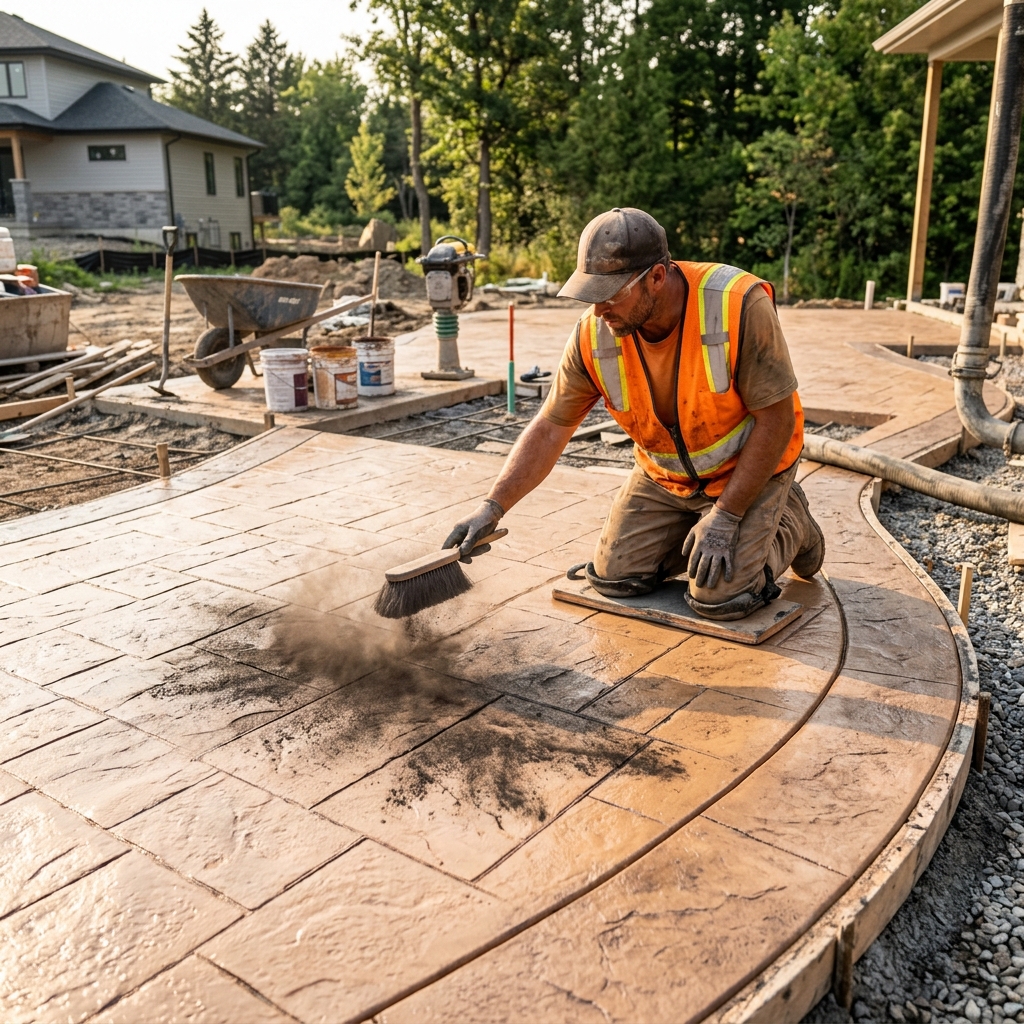
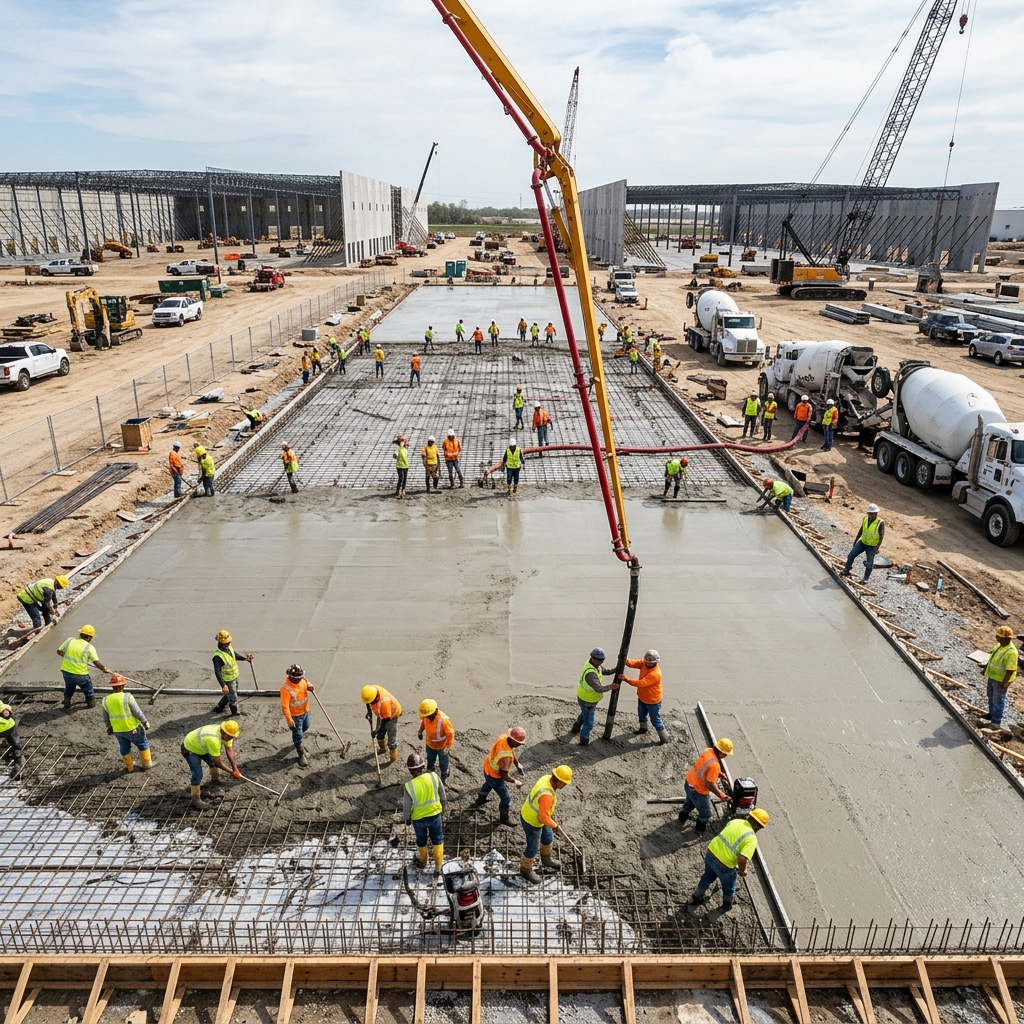
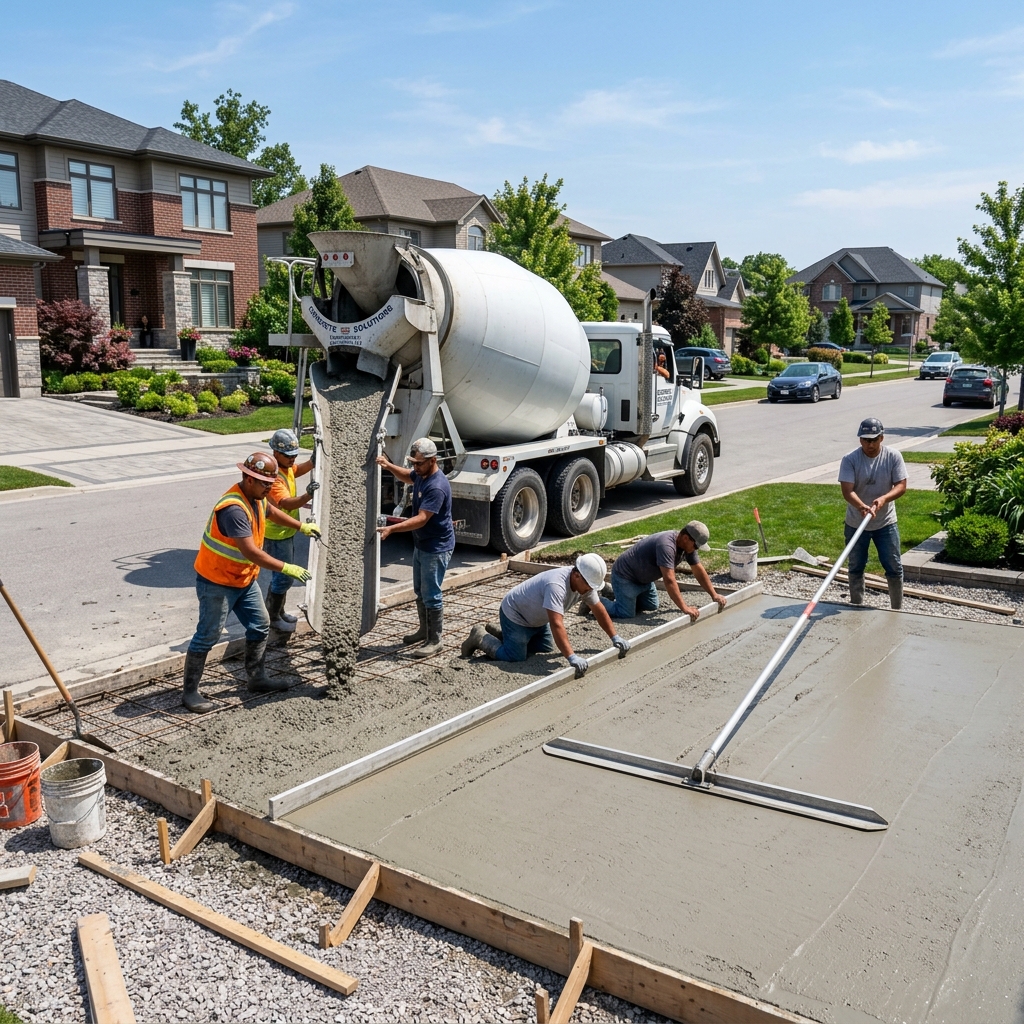
Start with the page that matches the work you want more of, not just the work that fills your calendar today. Use the buyer-model router and the eight-specialty mosaic above to open the playbook for your core trade. If your company runs two or more specialties, read the page for the one with the strongest margin per job first, then compare channel weights in the 5-service matrix.
Why does Concrete Marketing HQ split concrete marketing into eight specialties?
Because the buyer, the search language, and the qualification questions change from one concrete trade to the next. A homeowner pricing a garage floor coating, a facility manager scoping spalling repair, and a general contractor booking a boom pump do not search, compare, or decide the same way. One generic concrete package forces all of them into the same keywords and forms. Eight specialty hubs let each trade keep its own filters, landing pages, and follow-up.
Should a multi-trade concrete company use one website and Google Business Profile or separate ones?
Most multi-trade concrete companies operate best with one clean brand website anchored on their highest-margin primary specialty, paired with dedicated siloed service hubs for secondary trades and separate Google Ads campaigns for each specialty. Splitting into separate websites or profiles only makes sense when two divisions have distinct legal entities, branding, and operating locations. Blending multiple trades onto one generic homepage or inside one ad campaign dilutes relevance and confuses automated bidding.
Can I get marketing for more than one specialty in the same metro?
Territory exclusivity is defined as one partner per concrete specialty, per metro territory, so each specialty is confirmed separately. If your company works across more than one trade, say so in the Territory Check and we will confirm availability for each specialty in writing, along with the exact metro boundaries. Availability is never assumed from this page.
What if my work does not fit neatly into one of the eight specialties?
Many concrete companies overlap, for example a flatwork contractor who also pours stamped patios or a repair company that also lifts sunken slabs. Pick the specialty that drives most of your profit and mention the overlap during the territory check. Concrete Marketing HQ serves concrete contractors and concrete industry businesses only, and we will tell you plainly whether the fit is right before any work begins.
Which marketing channel matters most for my concrete specialty?
It depends on how your buyers find and choose a contractor. Urgent, high-intent trades tend to lean on Google Ads and Map Pack visibility, design-led trades lean on a portfolio website and Local SEO, and bid-driven commercial work leans on capability pages and CRM follow-up. The 5-service channel allocation matrix on this page outlines Primary, Secondary, and Support roles qualitatively for all eight trades. We do not promise lead volumes or ranking timelines, because results vary by metro competition, specialty, seasonality, and budget.
When is the best time of year to start specialty concrete marketing?
For exterior trades such as flatwork, decorative patios, hardscape, and slab leveling, launching ahead of your regional warm-weather rush gives pages, Local SEO signals, and ad filters time to stabilize before peak booking demand arrives. Year-round or indoor-capable trades such as commercial concrete, concrete pumping, and interior or cold-cure coatings can launch at any point in the calendar and adjust campaign pacing to seasonal demand shifts.
Who owns the website, ad accounts, and customer data?
You do. Your domain, website, Google Ads account, Google Business Profile, and CRM contact database stay in your company's name at all times. There are no hostage domains, no rented leads, and no hidden media markups. If the relationship ends, every asset and your customer list stay with you.